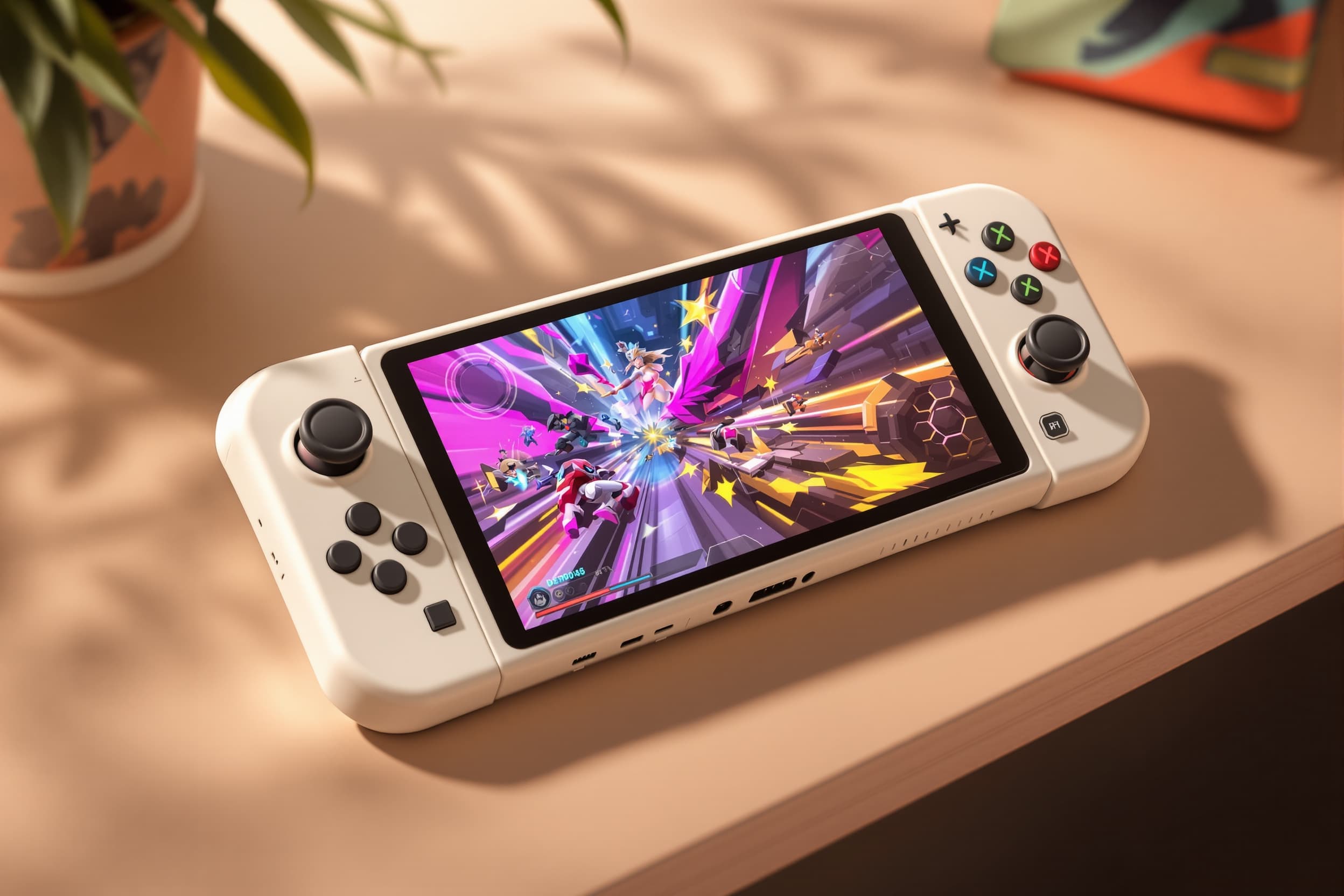
Zenith Games is a digital game development company creating premium and freemium games for PC, console, and mobile platforms. The company delivers immersive gaming experiences with deep narratives, advanced graphics, and engaging gameplay, supported by continuous updates, DLC content, merchandising, and VR/AR technology.

Feasibility at a glance
PT localization
7/10
High
Most steps can be localised in Portugal.
Per unit
€500,000 - €5,000,000
at 1-unit volume
Starter batch
1units
minimum viable run
To first batch
78weeks
8 phases, design to ship
Budget
€180–320k
all-in estimate
Bottom line
A digital game platform is fundamentally a software and service product, not a physical electronics manufacturing challenge. The "EU co-development" model is recommended because it allows Zenith Games to partner with established European game studios, engine providers, and cloud infrastructure vendors who possess deep expertise in game development, compliance with GDPR/DSA, and access to talent pools across Portugal, Spain, France, Germany, and Nordic countries. This approach mitigates IP risks, accelerates time-to-market, and leverages existing platforms (Unity, Unreal, AWS/Azure EU data centers) while maintaining control over creative vision and revenue streams. Local Portuguese game dev talent is emerging but lacks the scale for AAA production; white-label gaming platforms exist but sacrifice differentiation; China offers cost savings but introduces unacceptable IP theft risk and regulatory/content compliance barriers for EU markets.
2 capabilities
Delivers immersive gaming experiences with high-quality narratives and advanced graphics for hardcore and casual players.
Generates revenue through premium game sales, freemium microtransactions, DLC content, and in-game advertising.
5 stations · build route
Concept and design development
Creative teams develop game narratives, characters, and core gameplay mechanics using industry-standard design tools.
Engine and code development
Programmers build the game using Unity or Unreal Engine, implementing physics, AI, and rendering systems.
Asset creation and integration
3D artists and sound designers create graphics, animations, and audio, then integrate them into the game engine.
Testing and quality assurance
QA teams rigorously test for bugs, performance issues, and gameplay balance across all target platforms.
Distribution and live operations
Games are published on digital platforms, with ongoing support for updates, DLC, and community engagement.
Concept and design development
Creative teams develop game narratives, characters, and core gameplay mechanics using industry-standard design tools.
Engine and code development
Programmers build the game using Unity or Unreal Engine, implementing physics, AI, and rendering systems.
Asset creation and integration
3D artists and sound designers create graphics, animations, and audio, then integrate them into the game engine.
Testing and quality assurance
QA teams rigorously test for bugs, performance issues, and gameplay balance across all target platforms.
Distribution and live operations
Games are published on digital platforms, with ongoing support for updates, DLC, and community engagement.
6 identified · 3 blocking
Critical
Intellectual property theft and leakage
Game development involves sharing source code, art assets, design documents, and proprietary algorithms across multiple vendors, contractors, and middleware providers. If co-development partners, outsourcing studios, or cloud infrastructure providers do not implement strict access controls and NDAs, there is a high risk that core IP—especially unique game mechanics, narrative content, or custom engine modifications—will be leaked, cloned, or resold by competitors. This risk is magnified when working with Chinese vendors or using non-EU cloud providers. IP theft can destroy competitive advantage, devalue the Zenith Games brand, and lead to costly legal disputes. Even within the EU, inadequate contractor agreements or employee turnover can result in IP walking out the door.
Mitigation — Implement multi-layered IP protection: (1) Use strict NDAs, non-compete clauses, and IP assignment agreements with all partners, employees, and contractors. (2) Segment code repositories and limit access on a need-to-know basis using role-based permissions (GitLab, Perforce Helix). (3) Store all source code and proprietary assets exclusively on EU-based secure servers (AWS EU-West-1, OVHcloud France) with end-to-end encryption. (4) Conduct quarterly IP audits and code reviews to detect unauthorized forks or leaks. (5) Register copyrights and trademarks proactively in EU and key markets. (6) Avoid outsourcing core gameplay logic or narrative design to external vendors; keep in-house or with trusted co-dev partners under joint venture agreements. (7) Use watermarking and digital fingerprinting for all art and audio assets to trace leaks.
High
GDPR, DSA, and content regulation compliance failures
Digital game platforms collect extensive personal data (player profiles, payment details, gameplay telemetry, chat logs) and host user-generated content, making them subject to GDPR, the Digital Services Act (DSA), ePrivacy Directive, and national content regulations (age ratings, gambling laws, hate speech). Non-compliance can result in fines up to €20M or 4% of global revenue under GDPR, platform bans, and reputational damage. Specific risks include: failing to obtain proper consent for data collection, inadequate data breach response, improper handling of minors' data (COPPA-equivalent EU rules), hosting illegal user content (DSA content moderation obligations), and violating gambling laws with loot boxes or gacha mechanics. Payment processing for microtransactions must comply with PSD2 strong customer authentication. VR/AR data (eye tracking, biometrics) introduces additional privacy concerns under GDPR Article 9 (special category data).
Mitigation — Engage EU-specialized legal counsel (e.g., Bird & Bird, Hogan Lovells) to audit all data flows, privacy policies, and terms of service before launch. Implement GDPR-by-design principles: (1) Host all player data in EU data centers with explicit data processing agreements (DPAs) with cloud providers. (2) Build granular consent management for cookies, analytics, marketing, and data sharing; use tools like OneTrust or Cookiebot. (3) Appoint a Data Protection Officer (DPO) as required for large-scale data processing. (4) Implement robust content moderation (AI + human review) to comply with DSA obligations for platforms with >45M EU users. (5) Age-gate all content, verify parental consent for users under 16, and disable data collection for minors beyond what's strictly necessary. (6) Disclose loot box odds and implement spending limits to comply with gambling-adjacent regulations in Belgium, Netherlands. (7) Conduct annual GDPR compliance audits and breach simulation exercises. (8) For VR/AR, anonymize biometric data and obtain explicit opt-in consent.
High
Server infrastructure scalability and downtime
A digital game platform's success depends on 24/7 uptime, low-latency multiplayer networking, and the ability to scale server capacity during launch spikes, seasonal events, or viral growth. Infrastructure failures—such as DDoS attacks, cloud provider outages, database corruption, or insufficient CDN capacity—can result in hours or days of downtime, losing players, revenue, and trust. Multiplayer games are especially vulnerable: even 100ms of additional latency or 1% packet loss can render competitive gameplay unplayable. If the platform cannot auto-scale during a launch event (e.g., 100K concurrent users instead of expected 10K), servers crash, leading to negative reviews, refunds, and long-term brand damage. Cost overruns are also a risk if cloud infrastructure is not optimized (e.g., over-provisioning VMs, inefficient database queries).
Mitigation — Design a resilient, geo-distributed cloud architecture: (1) Use multiple EU-based cloud regions (AWS EU-West-1 Ireland + EU-Central-1 Frankfurt, or Azure West Europe + North Europe) with automatic failover and load balancing. (2) Implement auto-scaling for compute (Kubernetes/EKS, AWS Lambda for backend services) and managed databases (Aurora, DynamoDB) to handle 10x traffic spikes. (3) Use a global CDN (Cloudflare, Akamai, Fastly) with edge caching for game assets, updates, and static content. (4) Deploy DDoS protection (Cloudflare, AWS Shield Advanced) and Web Application Firewalls (WAF). (5) Stress-test infrastructure with realistic load simulations (Locust, JMeter) at 5x expected concurrent users before launch. (6) Implement real-time monitoring (Datadog, New Relic, Prometheus + Grafana) with automated alerts for latency >100ms, error rates >0.5%, or CPU >80%. (7) Establish SLAs with cloud providers guaranteeing 99.95% uptime and financial penalties for outages. (8) Maintain a disaster recovery plan with daily backups and <1-hour Recovery Time Objective (RTO).
Medium
Talent shortage and team retention
Game development requires highly specialized talent—senior engine programmers (C++, Unreal/Unity), technical artists, network engineers, gameplay designers, and live-ops managers—who are in short supply and high demand across the EU. Portugal's game dev ecosystem is nascent, making it difficult to recruit AAA-caliber talent locally. Even if talent is found, retention is challenging due to competition from larger studios (Ubisoft, EA, Activision EU offices) offering higher salaries, remote work flexibility, and more prestigious projects. High turnover (20-30% annually in game dev) disrupts development timelines, causes knowledge loss, and forces costly re-onboarding. If key engineers or designers leave mid-project, it can derail milestones by 3-6 months. Remote work complicates collaboration, especially for creative disciplines requiring tight iteration loops.
Mitigation — Build a competitive talent strategy: (1) Offer above-market salaries (benchmark against Lisbon/Porto tech wages +20%) plus equity/profit-sharing to align incentives. (2) Establish remote-first or hybrid work policies to recruit from across the EU (Spain, France, Poland, Nordic countries). (3) Partner with EU game dev schools (NHTV Breda, SAE Institute, Cologne Game Lab) for internships and graduate pipelines. (4) Invest in continuous learning: sponsor Unity/Unreal certifications, conference attendance (GDC Europe, Gamescom), and internal training. (5) Foster a strong studio culture with transparent roadmaps, creative autonomy, and work-life balance (avoid crunch; adopt agile/scrum with sustainable sprint planning). (6) Use knowledge management tools (Confluence, Notion) to document workflows, reducing dependency on individuals. (7) If local talent is insufficient, contract with specialized EU consultancies (e.g., Sperasoft EU, Keywords Studios) for art, QA, or porting work. (8) Consider co-development partnerships (recommended EU option) to access partner studio talent pools without direct hiring risk.
Medium
Monetization model regulatory and market risk
The spec mentions 'freemium microtransactions' and 'in-game advertising,' both of which face increasing regulatory scrutiny and player backlash in the EU. Loot boxes and gacha mechanics are banned or restricted in Belgium, Netherlands, and under review in Germany, UK, and EU Parliament. Aggressive monetization (pay-to-win, dark patterns, manipulative timers) can trigger DSA enforcement, consumer protection violations (Unfair Commercial Practices Directive), and negative press. In-game advertising must comply with ePrivacy Directive (consent for tracking) and GDPR (data sharing with ad networks). If monetization is poorly balanced, the game may fail commercially—either alienating players (too aggressive) or failing to generate sufficient revenue (too generous). VR/AR microtransactions and ads introduce additional UX and motion-sickness considerations.
Mitigation — Design ethical, regulation-compliant monetization: (1) Avoid loot boxes; use transparent 'battle pass' or direct purchase models for cosmetics and DLC. If loot boxes are essential for genre (e.g., card game), disclose odds per EU gambling transparency standards and implement spending caps. (2) Test monetization balance extensively in beta; target <5% of players spending (whales) generating 60-70% of revenue (industry standard). (3) Use consent management platforms (CMP) for in-game ads; avoid behavioral targeting for users under 18. (4) Implement spending velocity checks and 'cooling-off' periods to prevent compulsive spending; offer self-exclusion tools. (5) Clearly label all paid content and avoid deceptive UI (DSA compliance). (6) Diversify revenue: premium game sales, season passes, cosmetic DLC, partnerships (e.g., brand crossovers), esports tournament fees. (7) Monitor player sentiment via surveys and community feedback; iterate monetization based on engagement metrics (Retention Day 7/30, ARPU, LTV). (8) For VR/AR, avoid intrusive ads that break immersion or cause motion sickness; test ad placements rigorously.
Medium
Platform dependency and marketplace changes
Digital game distribution relies on third-party platforms—Steam, Epic Games Store, PlayStation Store, Xbox Store, Apple App Store, Google Play—each taking 15-30% revenue cuts and enforcing their own policies. Sudden policy changes (e.g., Apple banning Fortnite, Epic vs. Apple lawsuit) can disrupt revenue, requiring costly re-engineering or legal battles. Platform holders can also change revenue splits, payment terms, or content policies (e.g., stricter age ratings, ban on NFTs) overnight. If Zenith Games over-relies on one platform (e.g., 80% revenue from Steam), a delisting or algorithmic deprioritization can be catastrophic. Console certification (Sony, Microsoft, Nintendo) is expensive (€10K-50K per title) and time-consuming (6-12 weeks), delaying launches. Mobile platforms (iOS, Android) have strict IAP (in-app purchase) rules that may conflict with cross-platform monetization strategies.
Mitigation — Diversify platform exposure and maintain flexibility: (1) Launch simultaneously on multiple PC storefronts (Steam, Epic, GOG, own website) to reduce dependency on any single platform. (2) Negotiate favorable revenue splits; Epic offers 88/12 vs. Steam's 70/30 for exclusivity deals. (3) Build direct-to-consumer channels (own launcher or website storefront) to capture 100% revenue and own customer relationships; invest in marketing to drive traffic. (4) For console, budget €50K-100K and 3-6 months for certification per platform; start cert process early in development. (5) Monitor platform policy changes via developer forums and legal advisors; join industry groups (IGDA, EGDF) for collective advocacy. (6) Design modular monetization systems that can adapt to platform rules (e.g., disable cross-platform wallet for iOS per Apple rules). (7) For VR/AR, support multiple headsets (Meta Quest, PSVR2, SteamVR, Pico) to avoid lock-in. (8) Maintain legal reserves for potential platform disputes; consider litigation insurance.
78 weeks to first batch
Concept, design, and technical specification freeze
wk 1–12Pre-production: Team assembly and tooling setup
wk 13–22Core engine and backend development
wk 23–42Asset creation, integration, and level design
wk 43–66Alpha and beta testing: QA and optimization
wk 67–82Platform certification and compliance review
wk 83–90Marketing, pre-launch, and community building
wk 91–96Launch, distribution, and post-launch live operations
wk 97–98Concept, design, and technical specification freeze
Pre-production: Team assembly and tooling setup
wk 43–66 is the longest stretch — Asset creation, integration, and level design takes 24 weeks of the 98 weeks on this build.
4 materials · 5 processes
Materials
Processes
463 Portuguese manufacturers matched
None cover the whole build — it splits across steps.
14 tasks · 12 weeks to first batch
Week 1
2 tasks
Freeze game concept and technical specification document
Finalize high-level game design document (GDD), target platforms (PC/console/mobile/VR priority order), core gameplay loop, monetization model (battle pass vs. direct purchase), and narrative/IP pillars. Lock technical choices: Unity vs. Unreal Engine, multiplayer architecture approach, and VR/AR scope. Secure founder and key stakeholder sign-off to avoid scope creep during partner negotiations.
Shortlist 4-6 EU co-development studio candidates
Research and compile shortlist of EU game studios with relevant expertise (AA/AAA experience, Unreal/Unity proficiency, multiplayer/live-ops track record). Prioritize studios in France, Germany, Spain, Nordics per supply-chain recommendation. Prepare evaluation criteria: technical capability, IP sharing terms, cost structure, cultural fit, and availability. Initiate outreach via warm introductions or direct contact.
Weeks 2–3
3 tasks
Engage IP and gaming legal counsel for partnership structure
Hire EU-specialized gaming law firm (Bird & Bird, Hogan Lovells, or equivalent) to draft co-development agreements, IP assignment/licensing terms, revenue-sharing models, and NDA templates. Counsel will also advise on GDPR compliance framework, DSA obligations, content rating requirements (PEGI), and loot box/monetization regulatory risks in key EU markets.
Conduct partnership discovery calls and studio capability audits
waits on Shortlist 4-6 EU co-development studio candidates
Schedule video calls with shortlisted studios to present Zenith Games vision, assess technical capabilities, review past projects, and discuss collaboration models (joint venture, revenue share, work-for-hire hybrid). Request portfolio reviews, engine expertise demos, and references. Evaluate cultural alignment, communication workflows, and remote collaboration readiness. Narrow to 2 finalists.
Secure Unity or Unreal Engine licensing and middleware stack
waits on Freeze game concept and technical specification document
Finalize engine choice based on studio partner recommendation and game requirements. Negotiate Unity Pro or Unreal Enterprise licenses. Identify and budget for key middleware: Wwise (audio), Photon or PlayFab (multiplayer backend), anti-cheat (Easy Anti-Cheat), analytics (GameAnalytics, Amplitude). Confirm all licenses are GDPR-compliant with EU data residency options.
Weeks 4–7
4 tasks
Negotiate and execute co-development partnership agreement
waits on Engage IP and gaming legal counsel for partnership structure, Conduct partnership discovery calls and studio capability audits
Work with legal counsel and chosen studio to finalize terms: IP ownership split, revenue share, milestone payments, creative control, termination clauses, and confidentiality provisions. Include GDPR data processing agreements (DPA), audit rights, and escrow for source code. Sign binding Letter of Intent (LOI) or Master Services Agreement (MSA). Allocate initial budget tranche for vertical slice development.
Set up EU-based cloud infrastructure and dev environments
waits on Secure Unity or Unreal Engine licensing and middleware stack
Provision AWS EU-West-1 (Ireland) or Azure West Europe accounts with GDPR-compliant configurations. Set up development environments: version control (Perforce Helix or Git LFS for large assets), CI/CD pipelines (Jenkins/TeamCity), and collaboration tools (Slack, Jira, Confluence). Configure secure access controls and encryption for all IP assets. Establish staging and production server environments for multiplayer backend testing.
Conduct GDPR and DSA compliance design workshop
Weeks 8–16
4 tasks
Co-develop vertical slice with partner studio
waits on Set up EU-based cloud infrastructure and dev environments, Define vertical slice scope and production roadmap
Execute 4-6 week sprint to build vertical slice in close collaboration with partner studio. Weekly sync meetings to review builds, provide creative feedback, and resolve technical blockers. Implement core gameplay mechanics, integrate placeholder art and audio, and deploy multiplayer backend to staging servers. Focus on proving technical feasibility and fun-factor, not final polish. Conduct internal playtests at week 4 and 6 to iterate on feel and balance.
Integrate payment processing and monetization prototype
waits on Set up EU-based cloud infrastructure and dev environments
Implement Stripe or PayPal integration with PSD2-compliant strong customer authentication for in-game purchases. Build basic in-game store UI (battle pass, cosmetic items, DLC) and test transaction flow end-to-end in sandbox environment. Ensure GDPR consent is captured before payment data collection. Validate PCI-DSS requirements for cardholder data handling (ideally tokenized, not stored). Test across EU regions for currency localization (EUR, GBP, SEK, etc.).
Conduct vertical slice stakeholder demo and funding validation
Ongoing
1 task
IP protection and access control monitoring
Implement role-based access controls (RBAC) in all repositories and cloud environments; limit partner studio access to only necessary assets. Watermark all art and audio files. Conduct bi-weekly code repository audits to detect unauthorized forks or external commits. Maintain NDA compliance logs. Use digital rights management (DRM) or obfuscation for any shared builds. This is an ongoing security posture, starting week 1 and continuing throughout partnership.
4 roles to fill before month one
Partner at EU gaming law firm (Bird & Bird Lisbon or Hogan Lovells Madrid)
Sofia Mendes, Gaming IP & GDPR Counsel
Draft airtight co-development agreements with IP protection clauses, revenue-sharing terms, and termination rights. Ensure all player data flows, consent mechanisms, and monetization models comply with GDPR, DSA, PSD2, and EU gambling-adjacent regulations (loot boxes). Advise on content ratings (PEGI) and platform cert requirements. Critical to avoid IP leakage and regulatory fines (up to €20M under GDPR).
Co-development studio lead engineer (from chosen EU partner: Crytek, Remedy, MercurySteam, or Sharkmob)
Henrik Andersen, Technical Director
Owns technical architecture, engine selection (Unity vs. Unreal), multiplayer backend design, and vertical slice execution. Brings AAA production expertise, established middleware relationships, and platform certification experience. Partnership success depends on tight collaboration and trust with this individual; they control access to studio talent, pipelines, and IP. Must align on creative vision and delivery timelines.
Senior solutions architect at AWS or Azure (EU gaming vertical)
Luca Rossi, Cloud Solutions Architect
Design GDPR-compliant, auto-scaling cloud infrastructure across EU regions (Ireland, Frankfurt) for multiplayer backend, player data storage, and CDN. Advise on cost optimization (avoid over-provisioning), DDoS protection, and disaster recovery. Help integrate game engine with managed services (GameLift, PlayFab). Provides SLA guarantees, security best practices, and 24/7 support during launch spikes. Critical for infrastructure scalability and uptime.
5 things to avoid in this plan
supply
Lock in IP ownership terms in writing before sharing any source code or design documents with co-development partner; ambiguity will lead to costly disputes and potential loss of core IP.
certification
Validate GDPR compliance and EU data residency from day one—retrofitting consent systems or migrating data post-launch can cost €100K+ and trigger regulatory scrutiny.
quality
Stress-test cloud infrastructure at 10x expected concurrent users before any public demo or beta; underestimating launch traffic will cause catastrophic downtime and brand damage.
lead time
Watch for scope creep during vertical slice development; partner studio may push for feature expansion that delays timeline or inflates budget—hold firm to 10-15 minute playable scope.
watch-out
2 tasks in week 1
Freeze game concept and technical specification document
Core engine and backend development
Asset creation, integration, and level design
Alpha and beta testing: QA and optimization
Platform certification and compliance review
Marketing, pre-launch, and community building
Launch, distribution, and post-launch live operations
waits on Negotiate and execute co-development partnership agreement
Host workshop with legal counsel, engineering, and partner studio to map all player data flows (registration, gameplay telemetry, payments, chat, VR biometrics). Design consent management system, privacy-by-default settings, data retention policies, and user rights workflows (access, deletion, portability). Draft initial privacy policy and terms of service. Identify DSA content moderation requirements if platform will host UGC.
Define vertical slice scope and production roadmap
waits on Negotiate and execute co-development partnership agreement
Collaborate with partner studio to scope a 10-15 minute playable vertical slice that demonstrates core gameplay loop, art style, multiplayer functionality, and monetization UX. Break down into 4-week sprint plan with clear deliverables: character controller, one environment/level, basic UI, and networked multiplayer proof-of-concept. Align on quality targets (frame rate, visual fidelity) and platforms to support in slice.
waits on Co-develop vertical slice with partner studio
Present playable vertical slice to internal stakeholders, potential investors, or publishing partners to validate market viability and secure additional funding for full production. Gather structured feedback on gameplay, visuals, monetization UX, and technical performance. Use demo to stress-test co-development workflow and partnership effectiveness. Decision gate: proceed to full production, pivot scope, or renegotiate partnership terms.
Run preliminary GDPR compliance and security audit
waits on Conduct GDPR and DSA compliance design workshop, Integrate payment processing and monetization prototype
Engage external auditor or DPO (Data Protection Officer) to review cloud infrastructure, data flows, consent mechanisms, and privacy policy against GDPR requirements. Test data subject access request (DSAR) workflows, breach notification procedures, and encryption standards. Identify gaps and create remediation backlog. Document all findings for ongoing compliance monitoring. This is preliminary; full audit before public launch.
Independent gaming monetization advisor or consultant from Ubisoft/King/Supercell EU alumni
Isabelle Dupont, Monetization & Live-Ops Consultant
Design ethical, regulation-compliant monetization systems (battle pass, cosmetic DLC, season passes) that balance player satisfaction with revenue targets. Advise on loot box alternatives to avoid Belgium/Netherlands bans, implement spending velocity checks per DSA, and optimize in-game store UX. Bring telemetry expertise (ARPU, LTV, retention curves) and live-ops roadmap best practices. Essential to avoid monetization backlash or regulatory violations.
Ensure monetization model (battle pass, loot boxes, ads) complies with evolving EU gambling and consumer protection laws; regulatory changes in Belgium, Netherlands, Germany can force expensive pivots mid-development.
463 matched · 8 shown, ranked by coverage
Covers, left to right: SMT Assembly · PCB Fabrication · Final Assembly · Testing & Inspection · Packaging
Manufacturer
Location
Covers
Certifications
People
Portuguese producers per required step
Final Assembly
369
Testing & Inspection
178
SMT Assembly
36
PCB Fabrication
6
Packaging
0
How many cover more than one step
The gap
A digital game platform is fundamentally a software and service product, not a physical electronics manufacturing challenge. The "EU co-development" model is recommended because it allows Zenith Games to partner with established European game studios, engine providers, and cloud infrastructure vendors who possess deep expertise in game development, compliance with GDPR/DSA, and access to talent pools across Portugal, Spain, France, Germany, and Nordic countries. This approach mitigates IP risks, accelerates time-to-market, and leverages existing platforms (Unity, Unreal, AWS/Azure EU data centers) while maintaining control over creative vision and revenue streams. Local Portuguese game dev talent is emerging but lacks the scale for AAA production; white-label gaming platforms exist but sacrifice differentiation; China offers cost savings but introduces unacceptable IP theft risk and regulatory/content compliance barriers for EU markets.
Send one RFQ to the top 4
Keenfinity EMS, Uartrónica, Exatronic, Proto-Electronics — same package, one click.