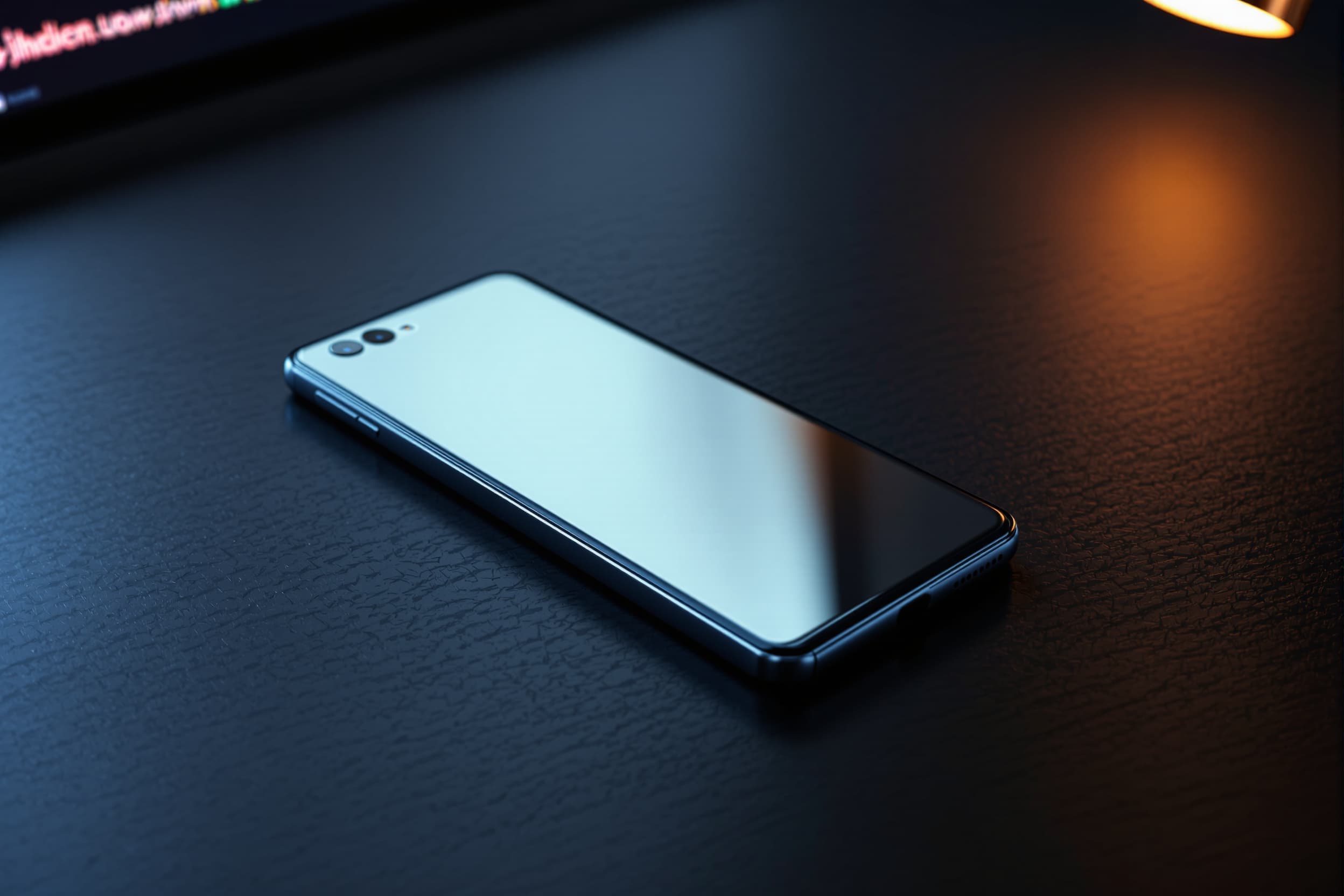
A privacy-focused Linux smartphone running Sailfish OS, assembled in Finland and designed by community input. Features a Mediatek Dimensity 7100 5G platform, user-replaceable battery and back cover, and physical privacy switches. Base configuration offers 8GB RAM and 128GB storage with optional upgrade to 12GB/256GB.

Feasibility at a glance
PT localization
4/10
Partial
Only finishing and testing can be localised in Portugal.
Per unit
€549–€749
at 2000-unit volume
Starter batch
2,000units
minimum viable run
To first batch
30weeks
8 phases, design to ship
Budget
€180–250k
all-in estimate
Bottom line
Given the complexity of smartphone manufacturing, the requirement for Sailfish OS integration, and the commitment to final assembly in Finland, a co-development approach with an established EU electronics partner is optimal. Portugal lacks the specialized mobile phone manufacturing ecosystem (ODM expertise, high-volume SMT lines for mobile SoC integration, camera module sourcing relationships, and cellular certification labs), making pure local production unfeasible for a 2,000-unit batch. EU co-development enables access to partners experienced in low-to-mid volume smartphone production, ensures compliance with RED and CE marking requirements, and maintains the brand promise of European assembly while leveraging existing supply chains for critical components like the Mediatek SoC, AMOLED displays, and camera modules that are not manufactured in Europe.
6 capabilities
Make calls and send texts over 4G and 5G networks in Europe
Run apps privately without tracking or sending data to big tech companies
Take sharp photos with three different cameras
Replace the battery yourself when it gets old
Use two SIM cards at the same time for work and personal numbers
Physically turn off the microphone or wireless radios with a hardware switch
5 stations · build route
PCB fabrication and SMT population
Multi-layer circuit boards are made and populated with tiny chips including the processor, memory, and radios using automated pick-and-place machines.
Display and camera module integration
The AMOLED screen, touchscreen digitizer, and Sony camera modules are bonded and connected to flex cables.
Injection molding of frame and covers
Polycarbonate and composite structural parts are molded, including the replaceable back covers in three colors.
Final assembly in Finland
All subassemblies, battery, antennas, and covers are assembled by hand into the finished phone.
Sailfish OS flashing and testing
Each device is loaded with Sailfish OS firmware and tested for cellular, WiFi, camera, and privacy-switch functionality before packaging.
PCB fabrication and SMT population
Multi-layer circuit boards are made and populated with tiny chips including the processor, memory, and radios using automated pick-and-place machines.
Display and camera module integration
The AMOLED screen, touchscreen digitizer, and Sony camera modules are bonded and connected to flex cables.
Injection molding of frame and covers
Polycarbonate and composite structural parts are molded, including the replaceable back covers in three colors.
Final assembly in Finland
All subassemblies, battery, antennas, and covers are assembled by hand into the finished phone.
Sailfish OS flashing and testing
5 identified · 2 blocking
High
Component supply chain dependency on Asia
The Jolla phone design is fundamentally dependent on components that are exclusively manufactured in Asia: the Mediatek Dimensity 7100 SoC (fabbed in Taiwan by TSMC), LPDDR5 memory (Samsung/SK Hynix in Korea), UFS storage (Samsung/Kioxia), AMOLED displays (Samsung Display or BOE in China), and camera modules (Sony sensors assembled in China). For a 2,000-unit production run, the lead time for these components ranges from 12–20 weeks, and supply allocation for small volumes is precarious—tier-1 suppliers prioritize million-unit orders from major OEMs. A single component shortage (e.g., Mediatek SoC allocation redirected to larger customers) can stall the entire production line. Furthermore, geopolitical tensions (US-China tech restrictions, Taiwan Strait risk) or logistics disruptions (port congestion, semiconductor shortages) can extend lead times or inflate costs unpredictably.
Mitigation — Engage an EU ODM partner (e.g., Bittium or Haltian in Finland, Gigaset in Germany) who holds framework purchase agreements with Asian component distributors and can secure allocation for small-batch orders. Pre-purchase long-lead components (SoC, memory, display) upon design freeze to lock in supply and pricing, accepting inventory risk for 2,000–2,500 units. Establish dual-source options where feasible (e.g., alternative AMOLED suppliers like Tianma or Visionox; alternative camera modules from Sunny Optical). Maintain a 4–6 week buffer inventory of critical ICs at the EU partner's warehouse to absorb minor supply hiccups during production ramp.
High
RED and CE certification complexity for 5G radio
The Jolla phone incorporates a 5G/4G radio transceiver, WiFi 6, Bluetooth 5.4, NFC, and multi-constellation GNSS, making it a Class 2 radio equipment device under the EU Radio Equipment Directive (RED) 2014/53/EU. Achieving CE marking requires demonstrating compliance with harmonized standards for radio spectrum use (EN 301 489, EN 301 511 for LTE/5G), EMC (EN 55032, EN 55035), electrical safety (EN 62368-1), and SAR limits (EN 50360, EN 50566). For a new smartphone design, RED conformity assessment typically requires 8–12 weeks of testing in an accredited Notified Body lab, with risk of failures in SAR, spurious emissions, or band-edge compliance that mandate PCB and antenna redesigns. Testing costs for a multi-radio device run €40k–€70k. Furthermore, the physical privacy switch that cuts power to radios must not interfere with emergency calling obligations under RED Article 3.3(g), creating a regulatory grey area. Certification delays directly impact time-to-market and batch production scheduling.
Mitigation — Partner with an EU ODM who has an in-house or preferred Notified Body relationship and prior RED certification experience for 5G devices (e.g., Bittium in Finland, which produces certified secure smartphones). Conduct pre-compliance RF and SAR testing on prototypes at 12–14 weeks into development, allowing time for one iteration if issues arise. Design the physical privacy switch to exclude the cellular modem from the cut-off (or provide a clear software override for emergency calls) to ensure compliance with RED Article 3.3(g). Leverage Mediatek's reference design and antenna tuning data for the Dimensity 7100 to minimize risk of radio failures. Budget €50k–€80k for full RED/CE testing and include a 10-week certification window in the production timeline. Engage the Notified Body early (at PCB layout stage) to review design for obvious compliance pitfalls before prototype build.
Medium
Intellectual property exposure and firmware security
The Jolla phone's core differentiation lies in Sailfish OS and the physical privacy switch implementation, both of which constitute proprietary IP and represent competitive advantage in the privacy-focused smartphone niche. Co-developing with an EU partner requires sharing detailed schematics, PCB layouts, firmware binaries, and privacy-switch control logic. If the ODM partner (or a subcontractor) leaks these designs or shares them with competitors, Jolla risks commoditization or counterfeit devices appearing in the market. Additionally, the integration of Sailfish OS with Android AppSupport on non-reference hardware introduces firmware security risks: any backdoor or undocumented radio baseband functionality in the Mediatek SoC could undermine the privacy guarantees Jolla promises to its community-driven user base.
Mitigation — Execute a comprehensive NDA and IP assignment agreement with the EU co-development partner before sharing design files, explicitly covering firmware binaries, privacy switch logic, and Sailfish OS integration code. Limit access to sensitive firmware layers by conducting final Sailfish OS flashing and cryptographic key injection in-house at the Finland facility, not at the ODM's site. Require the partner to perform baseband firmware audits and provide Mediatek's open-source modem firmware documentation (or ensure the Dimensity 7100 is on the list of chipsets with community-auditable radio stack). Use hardware-enforced secure boot and signed firmware images to prevent tampering during assembly or distribution. Consider engaging an independent security audit firm (e.g., OXYBLACK or F-Secure in Finland) to review the final device for unintended radio transmissions or privacy leaks before batch production.
Medium
Extended lead time and schedule risk for 2,000-unit batch
Smartphone production is highly serialized: design freeze → component procurement (12–18 weeks for SoC and display) → PCB fabrication (3 weeks) → SMT assembly (2 weeks) → display/camera integration (2 weeks) → final assembly (2 weeks) → testing and certification (8–12 weeks). For a 2,000-unit batch, there is minimal opportunity to parallelize or expedite; the critical path runs ~28–32 weeks under ideal conditions. Any delay in component supply (e.g., Mediatek SoC allocation, AMOLED panel lead time slippage), prototype iteration (if first PCB spin has antenna tuning issues or privacy switch logic bugs), or certification failure (RED lab identifies SAR hotspot requiring mechanical redesign) can cascade into 4–8 week slips. At 2,000 units, the project lacks the leverage to demand priority from suppliers or labs, and a missed launch window (e.g., September 2026 target) can harm brand credibility and pre-order commitments.
Mitigation — Build a 34-week timeline with 4 weeks of contingency buffer before the hard launch date, and communicate realistic delivery windows to pre-order customers. Front-load critical path activities: finalize industrial design and freeze the BOM by week 2, place long-lead component orders (SoC, AMOLED, memory) by week 4 to secure allocation. Commit to a 'design-for-certification' approach using proven reference designs from Mediatek and conducting pre-compliance RF/SAR testing on EVT prototypes at week 12. Negotiate penalty clauses with the EU ODM partner for delays attributable to their SMT or assembly operations. Maintain weekly cadence reviews with the partner and component distributors to surface slippages early. If schedule pressure mounts, prioritize a smaller first batch (1,000 units) to derisk tooling and certification, then ramp to 2,000 in a second wave.
Medium
Assembly quality and field failure risk
Smartphones are mechanically dense assemblies with tight tolerances: the AMOLED display must be bonded without dust or air gaps, the camera modules require precise z-height alignment for focus, the battery connector must achieve <50mΩ contact resistance, and the fingerprint sensor in the power button must survive 100,000+ actuation cycles. At 2,000 units, the production is too small to fully amortize automated assembly tooling, so final assembly will rely on semi-manual processes with higher variability. Early batch field failures—screen delamination, camera focus drift, fingerprint sensor failure, or battery contact issues—can devastate customer satisfaction and brand reputation in the small, vocal Jolla community. RMA rates above 3–5% are financially painful at this scale and erode trust in the user-replaceable design ethos.
Mitigation — Require the EU ODM partner to implement a 100% functional test protocol covering display uniformity, camera autofocus and image quality (using automated test rigs), fingerprint sensor enrollment and recognition, battery charging and discharge curves, and all radio transceivers (cellular, WiFi, BT, NFC, GNSS). Conduct a Design for Manufacturability (DFM) review with the partner at the EVT stage to identify tolerance stack-up risks and specify assembly jigs or fixtures for critical subassemblies (e.g., display bonding, camera module mounting). Build 50–100 pilot run units at the DVT stage and subject them to accelerated life testing (drop tests per IEC 60068-2-32, thermal cycling, button actuation, charge/discharge cycles) to surface infant mortality issues before mass production. Define clear acceptance criteria (AQL 1.5 for critical defects, 2.5 for major) and conduct incoming inspection of the first 200 units at the Finland facility before approving the full batch. Offer a generous 2-year warranty and stock 5–8% spare parts (displays, batteries, camera modules) to support field repairs.
30 weeks to first batch
Design freeze and BOM finalization
wk 1–3Component procurement and long-lead ordering
wk 4–19PCB fabrication and SMT assembly (EVT)
wk 20–23Display and camera integration, enclosure tooling (DVT)
wk 24–28Sailfish OS integration and firmware validation
wk 29–34RED and CE certification testing
wk 35–44Pilot production run and quality validation (PVT)
wk 45–47Mass production and final assembly in Finland
wk 48–50Design freeze and BOM finalization
Component procurement and long-lead ordering
wk 4–19 is the longest stretch — Component procurement and long-lead ordering takes 16 weeks of the 50 weeks on this build.
6 materials · 6 processes
Materials
Processes
587 Portuguese manufacturers matched
None cover the whole build — it splits across steps.
14 tasks · 13 weeks to first batch
Week 1
2 tasks
Finalize industrial design and freeze BOM
waits on Pending final community input on back cover color options, Mediatek reference design NDA
Complete CAD models for structural frame, replaceable back cover, and button assemblies. Lock PCB layout with Mediatek Dimensity 7100 placement, antenna routing, and privacy switch logic. Generate Gerber files, STEP models, and detailed BOM with part numbers for all 25 subassemblies.
Select and contract EU ODM partner
Evaluate proposals from Bittium (FI), Haltian (FI), and Gigaset (DE). Negotiate NDA, IP assignment, per-unit pricing, and lead time commitments. Execute co-development agreement covering component procurement, SMT assembly, and RED certification support.
Weeks 2–3
3 tasks
Place long-lead component orders
waits on BOM freeze, ODM contract execution, Component lead times 12–16 weeks
ODM partner orders Mediatek Dimensity 7100 SoCs (2,200 units + 10% buffer), LPDDR5 RAM, UFS storage, 6.36" AMOLED displays, and Sony camera modules from Asian suppliers. Secure allocation and lock pricing with 30% deposit.
Conduct DFM review with ODM
waits on ODM contract signature
Walk through PCB layout, mechanical tolerances, display bonding process, and privacy switch assembly with the ODM engineering team. Identify and resolve tolerance stack-up risks, antenna tuning concerns, and assembly fixture requirements.
Engage Notified Body for RED pre-consultation
Contact accredited RED testing lab (e.g., through Bittium relationship) to review design for SAR, spurious emissions, and emergency call compliance with physical privacy switch. Book certification test slots for week 10–12.
Weeks 4–7
2 tasks
Fabricate and populate EVT PCBs
waits on Gerber files finalized, SoC samples available
EU PCB house fabricates 30 multi-layer FR-4 boards. ODM performs SMT assembly with available components (use pre-production SoC samples if long-lead parts delayed). Conduct AOI, ICT, and basic power-on testing.
Develop Sailfish OS board support package
waits on Mediatek SDK and reference firmware
Port Sailfish OS 5 kernel and drivers to Mediatek Dimensity 7100 platform. Integrate Android AppSupport layer and implement firmware control for physical privacy switch (mic/BT/Android cut-off). Prepare initial test builds.
Weeks 8–16
5 tasks
Build and test DVT prototypes
waits on Component arrival, Enclosure tooling completion (~week 8)
Assemble 80 DVT units with AMOLED displays, camera modules, injection-molded enclosures, and batteries. Flash Sailfish OS and validate all radios (5G/4G/WiFi/BT/NFC/GNSS), cameras, fingerprint sensor, and privacy switch functionality. Iterate firmware fixes.
Execute RED and CE certification testing
waits on DVT units available, Test slot booking
Submit DVT units to Notified Body for RF emissions (EN 301 489), 5G/LTE radio (EN 301 511), SAR (EN 50360/50566), electrical safety (EN 62368-1), and EMC testing. Address any failures with antenna tuning or PCB changes. Obtain CE marking.
Run 200-unit PVT pilot production
waits on CE certification pass, Final BOM and firmware locked
ODM executes pilot run with final tooling, BOM, and firmware. Perform 100% functional testing (display, cameras, radios, sensors, privacy switch, battery) and cosmetic inspection. Conduct accelerated life testing (drop, thermal, button actuation) on sample units.
Ongoing
2 tasks
Monitor component supply and mitigate allocation risk
Weekly sync with ODM and component distributors to track SoC, AMOLED, and camera module delivery against schedule. Escalate any allocation issues to secure 2,000-unit supply. Maintain 4-week buffer inventory for critical ICs.
Prepare RoHS/REACH compliance documentation
Collect material declarations and test reports from ODM and component suppliers. Compile technical file for CE marking. Prepare Declaration of Conformity and user manual covering safety, privacy switch operation, and battery replacement.
5 roles to fill before month one
EU ODM Partner – Secure Smartphone Manufacturing
Sami Heikkinen (Bittium Tough Mobile)
Bittium has RED-certified smartphone ODM experience in Finland, existing supply agreements with Mediatek and Asian component vendors, and in-house RF/SAR testing capabilities. Critical for managing the 12–16 week component procurement, SMT assembly, and certification pathway for 2,000 units while supporting Sailfish OS integration.
Independent Security Auditor
Dr. Laura Mäkinen (OXYBLACK or F-Secure)
Essential for reviewing the Mediatek Dimensity 7100 baseband firmware, validating the physical privacy switch implementation, and auditing Sailfish OS for unintended radio transmissions or privacy leaks. Provides third-party credibility to Jolla's privacy claims and de-risks firmware security exposure.
RED/CE Compliance Specialist
Jukka Virtanen (Notified Body – RED Certification Lab)
Manages the 10-week RED conformity assessment for 5G/4G/WiFi/BT/NFC radios, SAR testing, and emergency call compliance with the physical privacy switch. Early engagement (pre-consultation at week 2–3) reduces risk of certification failures that could delay the September 2026 launch.
Dimensity 7100 SoC Technical Support
Antti Laine (Mediatek EU FAE)
5 things to avoid in this plan
lead time
Watch for Mediatek SoC and AMOLED display allocation slippage — tier-1 suppliers prioritize million-unit OEM orders; secure written delivery commitments and 10% over-order buffer by week 4.
certification
Lock in RED certification test slots and conduct pre-compliance SAR/RF testing on EVT units by week 6 — a single certification failure can cascade into 8+ week delay and miss the September launch window.
watch-out
Guard Sailfish OS IP and privacy switch firmware logic — execute comprehensive NDA with ODM, perform final OS flashing in-house in Finland, and engage independent security audit before mass production approval.
supply
Mitigate assembly quality risk for 2,000-unit semi-manual production — require 100% functional testing at ODM (display, cameras, radios, sensors) and stock 5–8% spare parts for field repairs to keep RMA rate below 3%.
2 tasks in week 1
Finalize industrial design and freeze BOM
Each device is loaded with Sailfish OS firmware and tested for cellular, WiFi, camera, and privacy-switch functionality before packaging.
PCB fabrication and SMT assembly (EVT)
Display and camera integration, enclosure tooling (DVT)
Sailfish OS integration and firmware validation
RED and CE certification testing
Pilot production run and quality validation (PVT)
Mass production and final assembly in Finland
Establish Finland final assembly line
Set up workstations in Finland facility for final Sailfish OS flashing (device-specific keys), privacy switch validation, packaging with replaceable back covers, and QA inspection. Train staff and prepare test fixtures.
Validate pilot units and approve mass production
waits on PVT pilot completion
Ship 50 PVT units to Finland for in-house acceptance testing. Verify Sailfish OS performance, privacy switch operation, battery replaceability, and cosmetic quality. Sign off on mass production release for remaining 1,800 units.
Provides reference design files, antenna tuning data, SDK access, and modem firmware documentation for the Dimensity 7100 platform. Critical for de-risking RF performance, Sailfish OS porting, and ensuring SoC allocation for the 2,000-unit order through Mediatek's distribution channel.
Firmware Integration and BSP Development
Mika Järvinen (Sailfish OS Engineering Lead)
Leads the port of Sailfish OS 5 to the Mediatek Dimensity 7100, integrates Android AppSupport, and implements privacy switch firmware logic. Internal technical owner responsible for ensuring the OS delivers on Jolla's brand promise of privacy and user control.
certification
Prepare for 30-week critical path from BOM freeze to first shipment — component lead times (12–16 weeks) and certification (10 weeks) are inflexible; build 4-week schedule buffer and front-load long-lead orders by week 3.
587 matched · 8 shown, ranked by coverage
Covers, left to right: SMT Assembly · PCB Fabrication · Injection Molding · Final Assembly · Testing & Inspection · Packaging
Manufacturer
Location
Covers
Certifications
People
Portuguese producers per required step
Final Assembly
369
Testing & Inspection
178
Injection Molding
174
SMT Assembly
36
PCB Fabrication
6
Packaging
0
How many cover more than one step
The gap
Given the complexity of smartphone manufacturing, the requirement for Sailfish OS integration, and the commitment to final assembly in Finland, a co-development approach with an established EU electronics partner is optimal. Portugal lacks the specialized mobile phone manufacturing ecosystem (ODM expertise, high-volume SMT lines for mobile SoC integration, camera module sourcing relationships, and cellular certification labs), making pure local production unfeasible for a 2,000-unit batch. EU co-development enables access to partners experienced in low-to-mid volume smartphone production, ensures compliance with RED and CE marking requirements, and maintains the brand promise of European assembly while leveraging existing supply chains for critical components like the Mediatek SoC, AMOLED displays, and camera modules that are not manufactured in Europe.
Send one RFQ to the top 4
Keenfinity EMS, Uartrónica, Exatronic, Proto-Electronics — same package, one click.